Every design decision carries weight
From the layout of your kitchen to the choice of stone on your front steps, each element is a statement not only about how you live today but about how someone else might want to live tomorrow. In Greenwich, design is more than aesthetics – it is strategy. In a market where homes are both investments and sanctuaries, the smartest homeowners know that the best time to think about resale is long before you ever hang a “For Sale” sign.
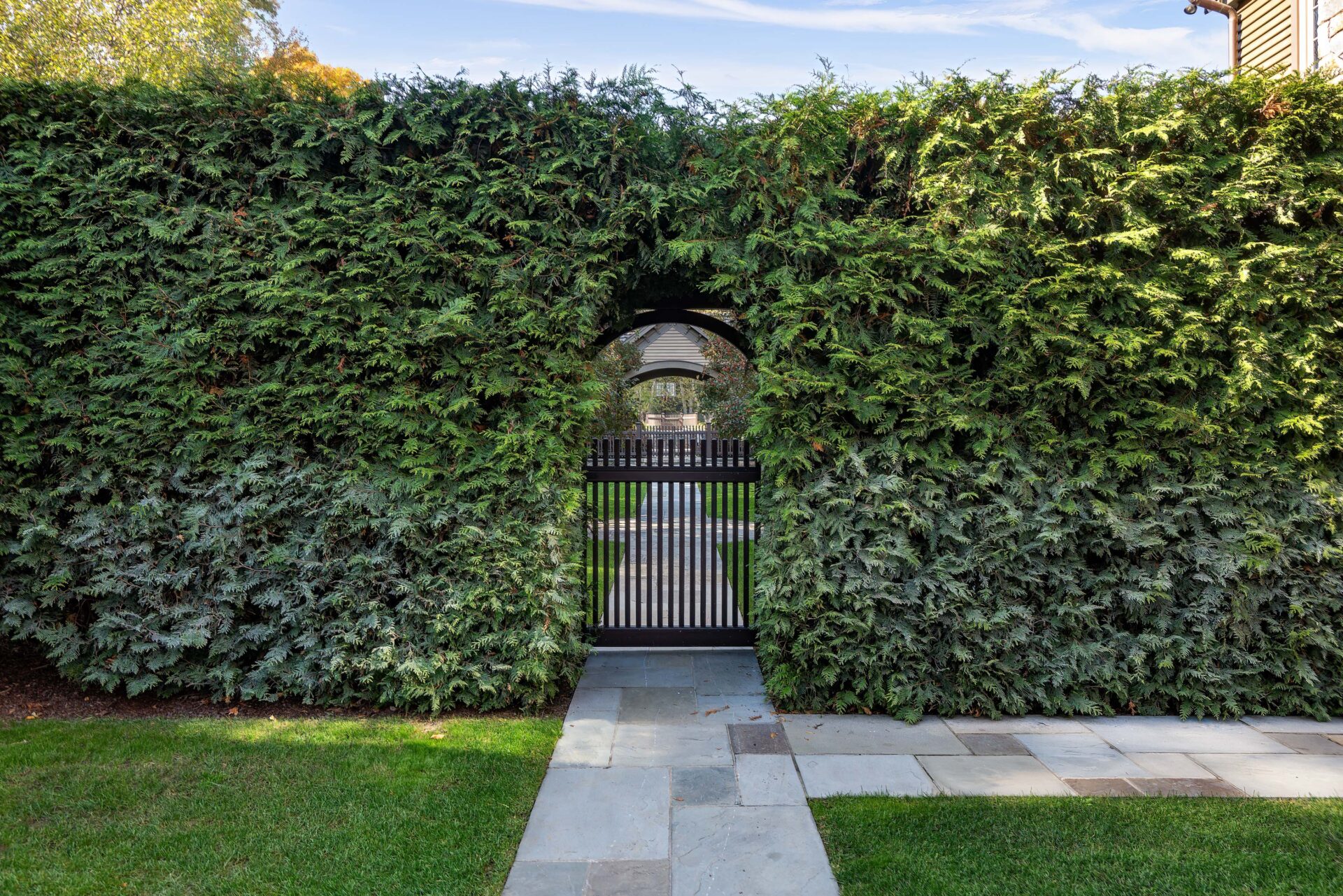
Curb appeal is the first language of real estate. Buyers decide within seconds whether a home “feels right,” and they rarely revise that first impression. That is why the projects with the highest returns nationally are not glamorous overhauls but practical facelifts: new garage doors, refreshed siding, an entry door that makes a statement. According to Remodeling Magazine’s 2025 Cost vs. Value report, those exterior updates now recoup more than double their cost. In a town where a driveway is often the first runway, a striking approach isn’t frivolous, it’s fundamental.
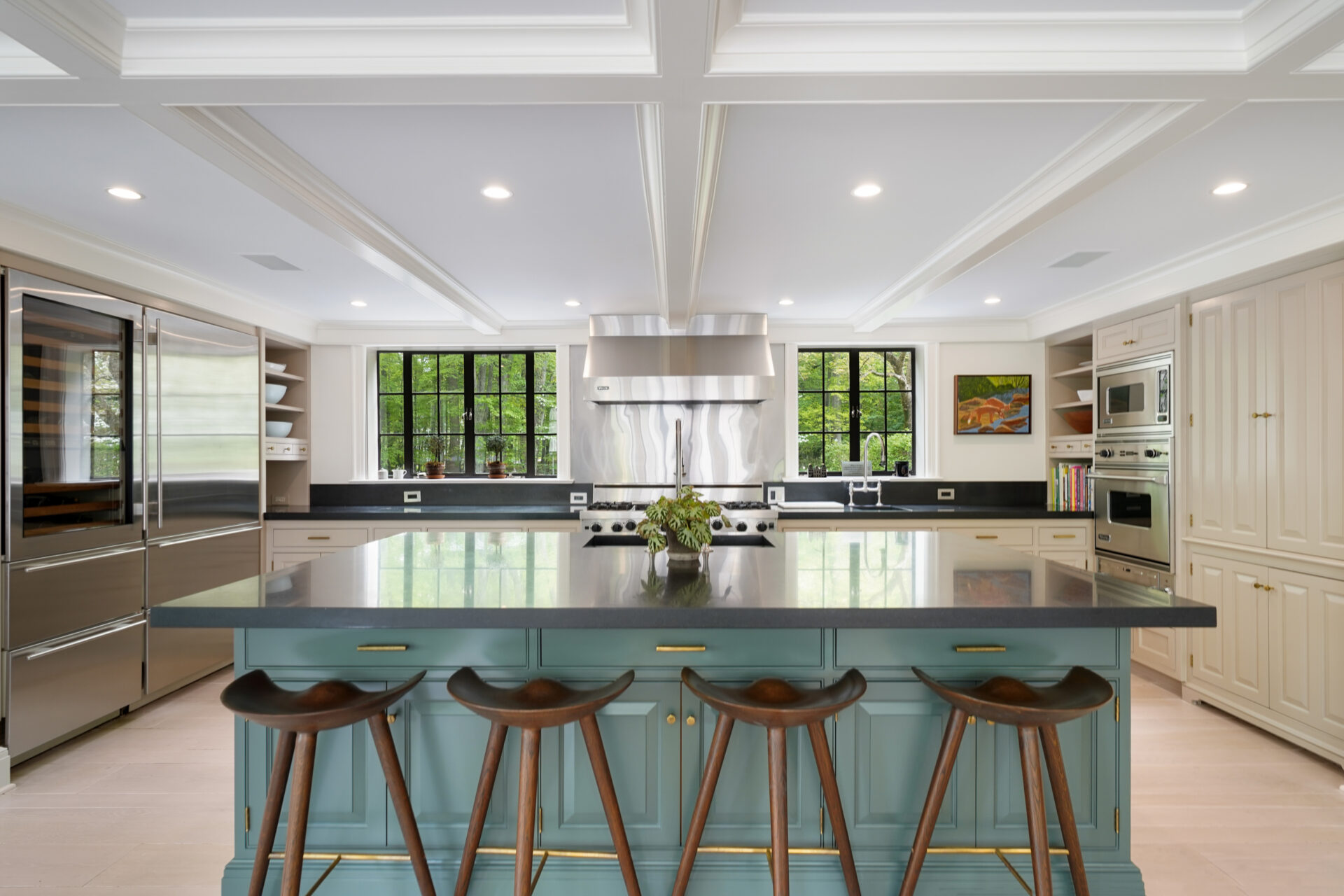
Kitchens, of course, are the perennial battleground. The temptation in Greenwich is always to go big: a gleaming, chef-level space with imported marble and the latest statement hood. Yet the data proves that restraint is powerful. Minor kitchen remodels – think cabinet refacing, updated counters, fresh hardware – deliver more than 100 percent of their cost back at resale. On the other hand a full gut, however spectacular, can easily tip into diminishing returns. The lesson? Most buyers want clean, current, and functional. They may admire your dream kitchen, but not if it misses the mark on their own taste or priorities.
The pandemic reshaped how we think about floor plans. Open concept was once gospel; then came months of Zoom school colliding with Zoom work, and suddenly everyone longed for a door they could close. Houzz’s 2024 study shows that most renovators are opening kitchens into adjacent rooms, but the rise of flex spaces tells another story. A private office, a guest suite, or a finished lower level can be the unsung hero in a bidding war. With 17 percent of buyers nationwide purchasing multigenerational homes last year – often to house parents, adult children, or an au pair – the Greenwich property that offers versatility will find eager takers.
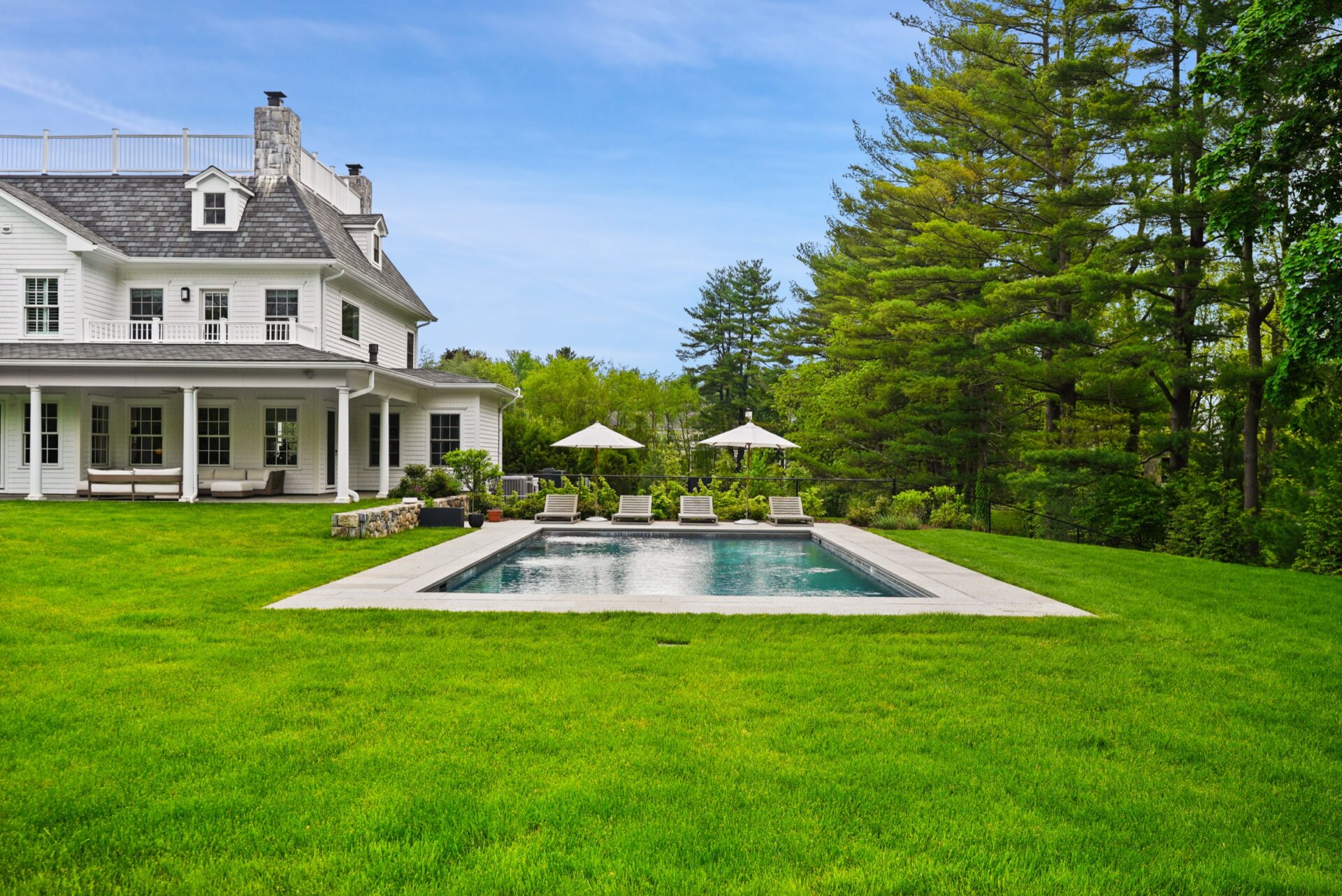
Outdoor living remains a non-negotiable. Whether it’s a stone terrace overlooking Long Island Sound or a shaded porch in mid-country, exterior rooms extend the square footage of a lifestyle. National Association of Home Builders surveys consistently rank patios and porches among the top ten features buyers crave. Here, where the landscape is part of the luxury, those outdoor connections are not just nice – they are expected.
While finishes catch the eye, it is efficiency that endures. Energy-efficient windows, discreet smart thermostats, security systems, and lighting controls consistently rank as buyer priorities. These details may not draw applause on a house tour, but they survive the inspection report and the appraisal. Quiet investments in sustainability and practicality hold their value far longer than trend-driven choices that can date a house in five years.
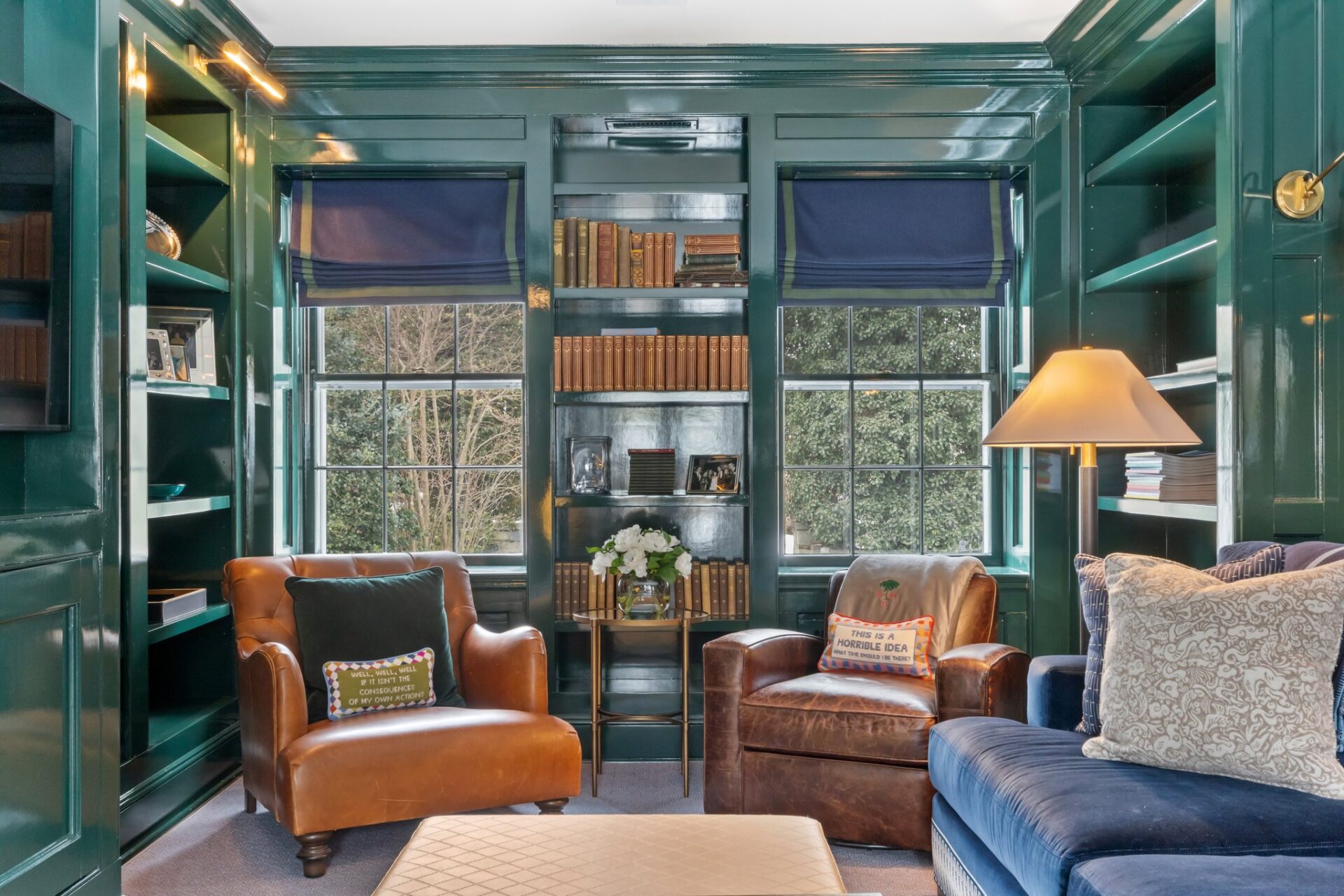
The Greenwich takeaway is simple: design with dual purpose. Enjoy your home as it suits your family today, but edit choices with an eye toward what will resonate universally tomorrow. That means prioritizing quality over quirk, flexibility over rigidity, and timelessness over trend. The truth is, you are never just decorating for yourself. You are always, in some measure, setting the stage for the next act.
Ultimately, that is the real secret. The most successful homeowners are not those who chase every passing style but those who understand that, in Greenwich, beauty and value are inseparable. When you design with resale in mind, you are not limiting your choices. You are amplifying them: creating a backdrop that feels timeless not only for the next buyer, but for yourself. A thoughtfully edited home allows its owners to evolve and experiment with shifting tastes over the years without ever feeling dated. Whether you sell in five years or stay for decades, good design always endures, and so does the pleasure of living in it.