
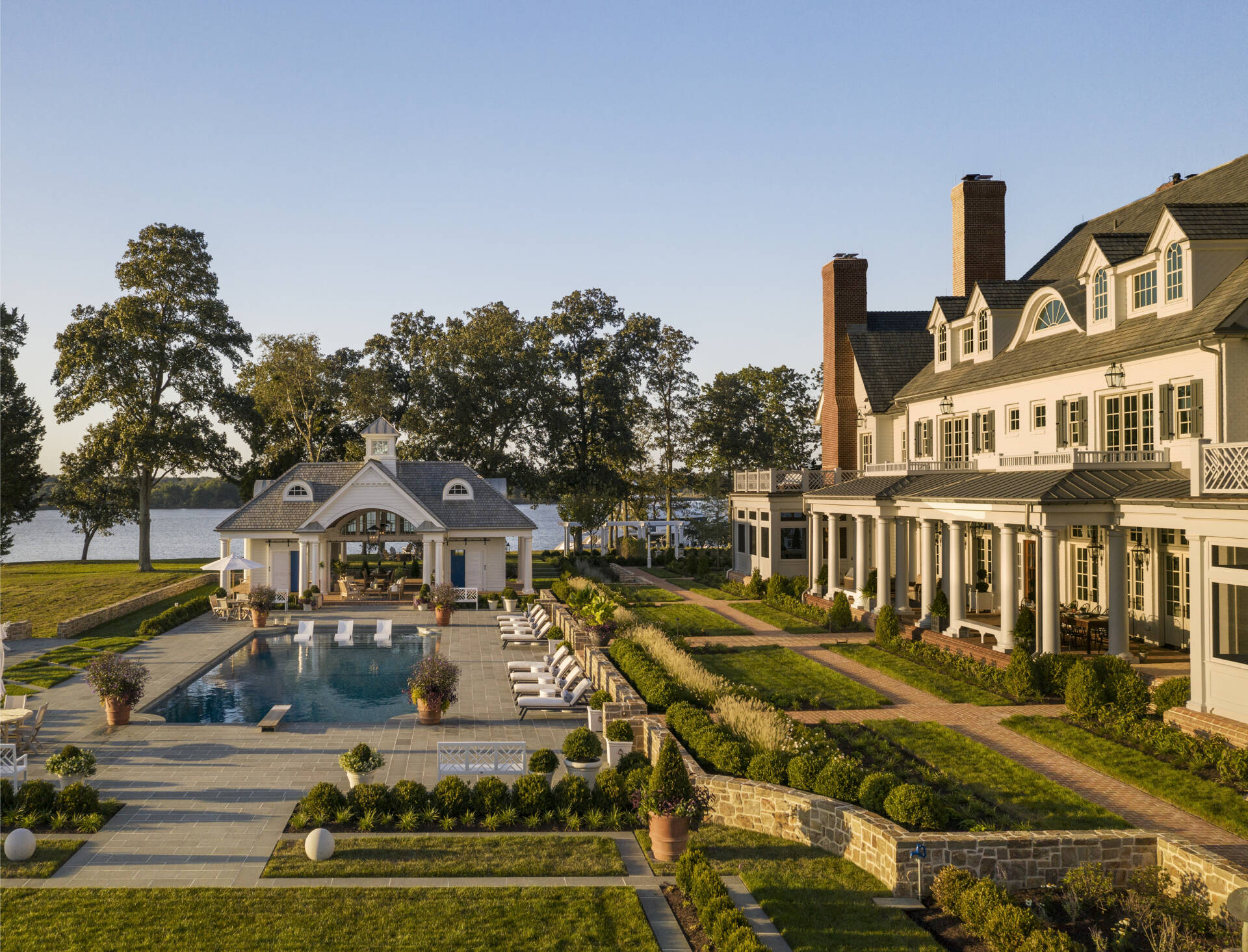
By Cathy Purple Cherry, Founder, Purple Cherry Architecture & Interiors
Over the course of my career, I’ve had the honor of designing homes in extraordinary settings across the country. While each project is unique, one principle remains constant: the most successful homes are those that feel deeply connected to their surroundings and authentically tailored to those who live in them.
Our Story: Building a Practice Rooted in Purpose
I founded Purple Cherry Architecture & Interiors in Annapolis, Maryland more than 30 years ago with a simple but ambitious goal—to create homes that are timeless, functional, and highly personal. What began as a small, boutique practice has grown into a multi-office firm with a team of more than 40 talented professionals.
As our work has expanded into the Northeast, including numerous projects throughout the Tri-State area, we established an office in New York City, cementing our commitment to serving clients in the region. While our footprint has grown, what matters most to me is that we’ve stayed true to our core philosophy. Every project is an opportunity to listen carefully, to understand how our clients live, and to translate that into a home that feels intuitive, functional, and beautiful.
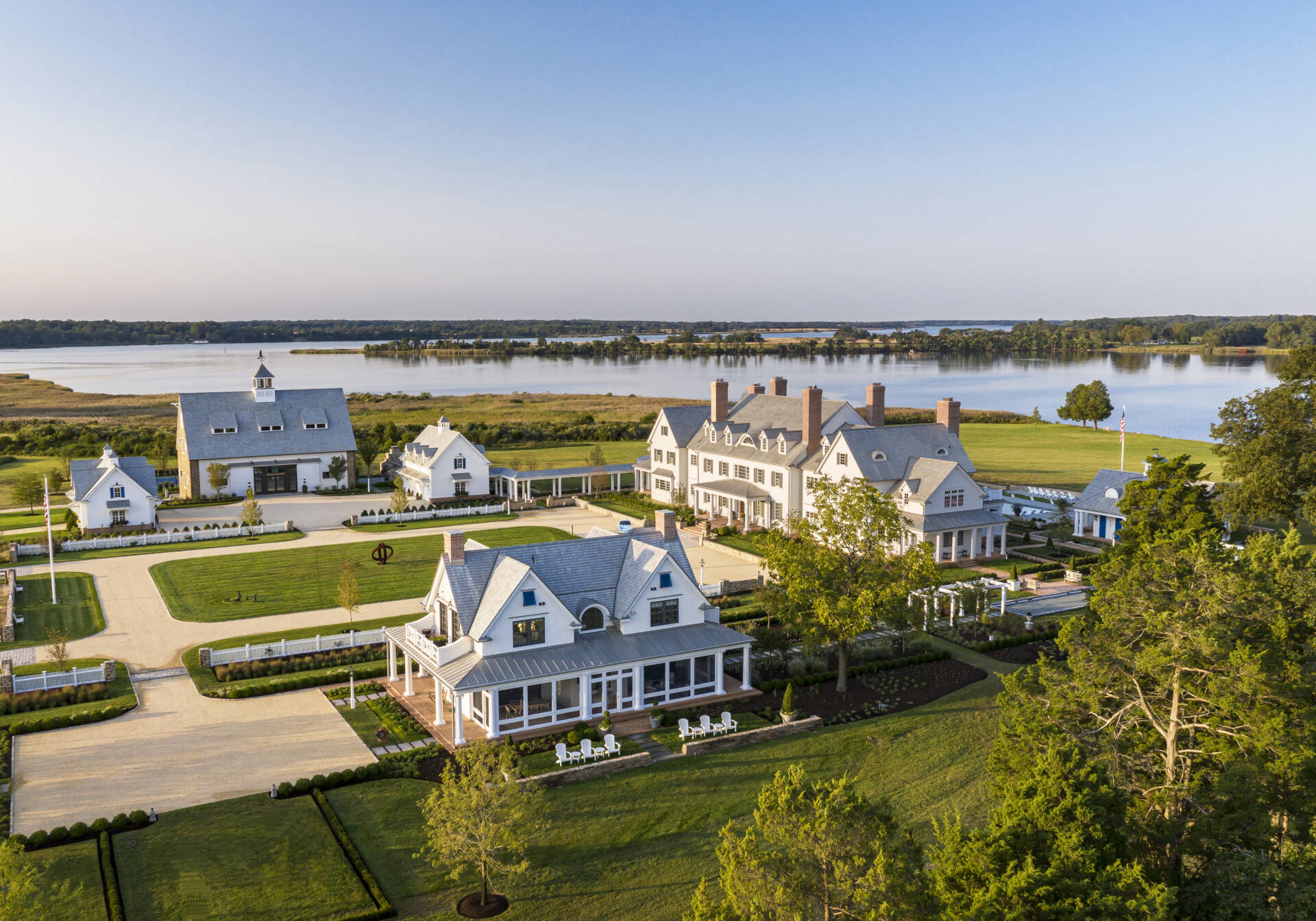
One of the defining aspects of our firm is our integrated approach. By bringing architecture, interior design, and furnishings services together under one roof, we’re able to create a cohesive vision from the earliest concepts through the final layers of detail. It’s a process that allows us to be incredibly thoughtful—and incredibly efficient.
What Makes Our Approach Different
Over time, I’ve come to believe that great design is as much about process as it is about creativity.
We utilize advanced modeling and visualization tools to create 3D renderings, which allow our clients to truly understand their homes before they’re built. This isn’t just about presentation, it’s about collaboration. When clients can see and experience the design, they’re able to engage more meaningfully, and the end result is always stronger.
Equally important is our focus on functionality. I’m not interested in imposing a particular aesthetic, but I am interested in how a home will be lived in day to day. How does a family gather? Where do they retreat for quiet? How do they entertain? These questions shape everything from the overall layout to the smallest details.
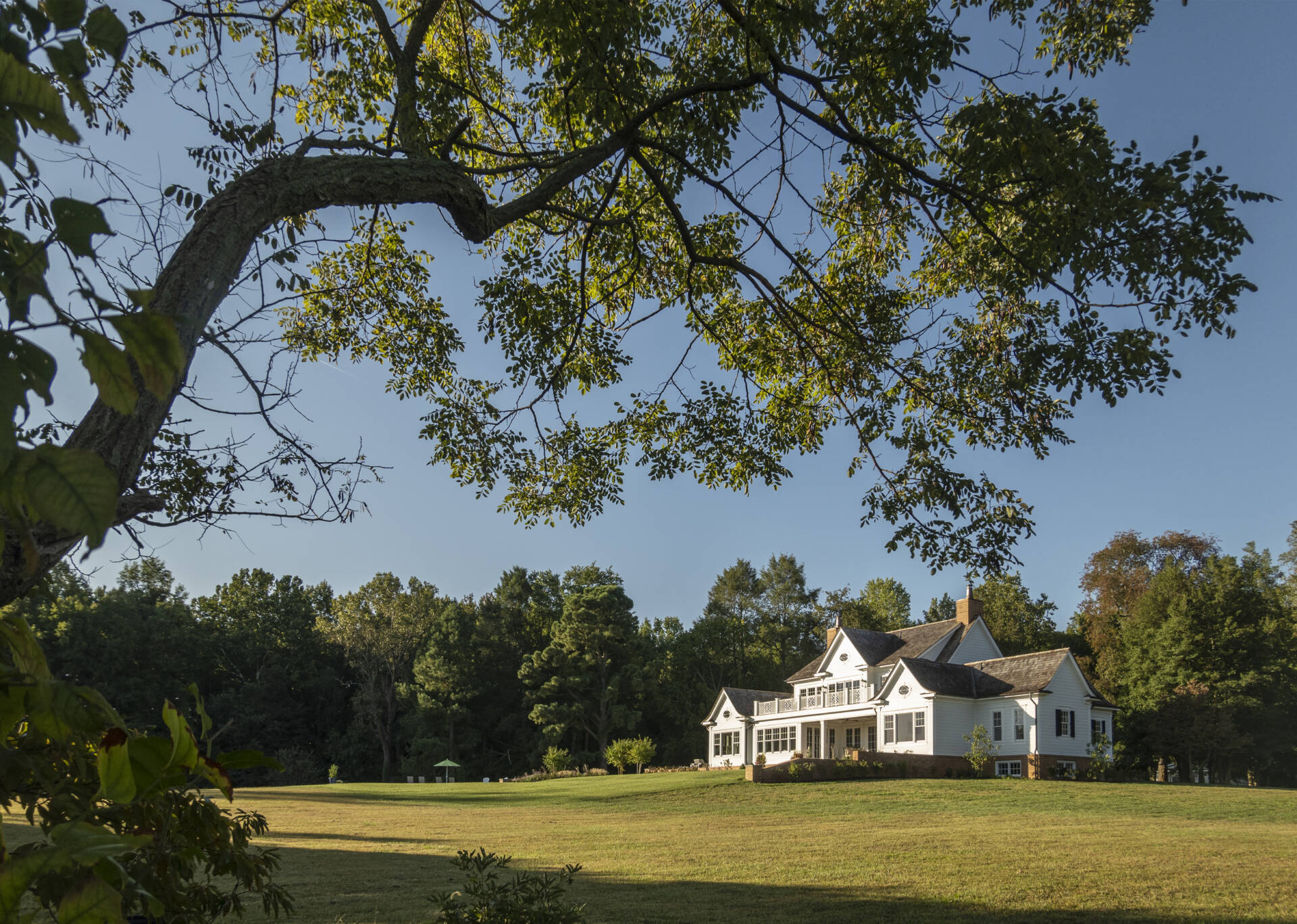
And of course, there’s the site itself. Especially in places like Fairfield County, the land is never just a backdrop—it’s an active participant in the design.
Designing for the View: A More Nuanced Approach
One of the most common requests we hear is, “We want to maximize the view.” And while that instinct is understandable, I often encourage clients to think about it a bit differently. Designing for a view isn’t just about adding more glass. It’s about intention.
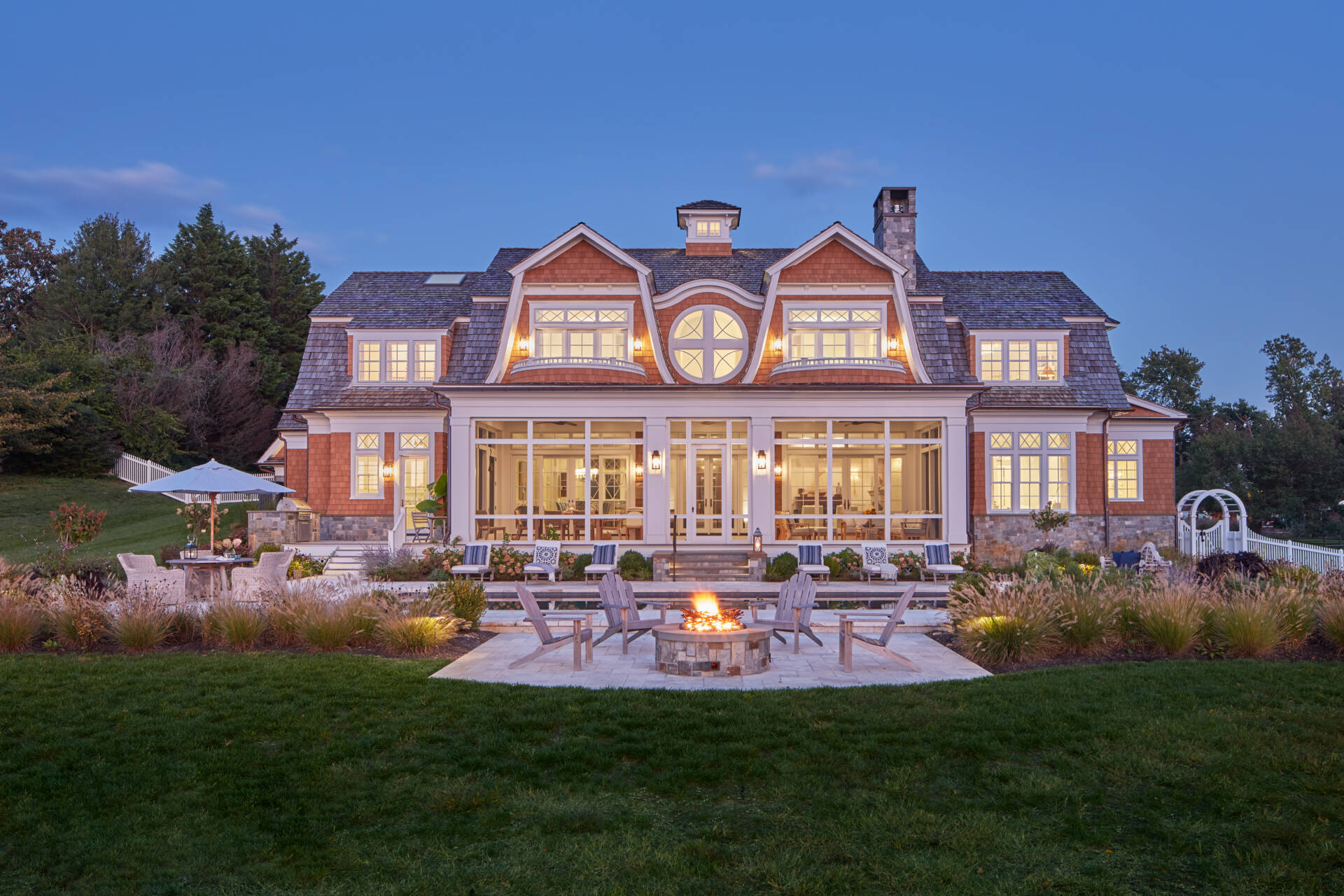
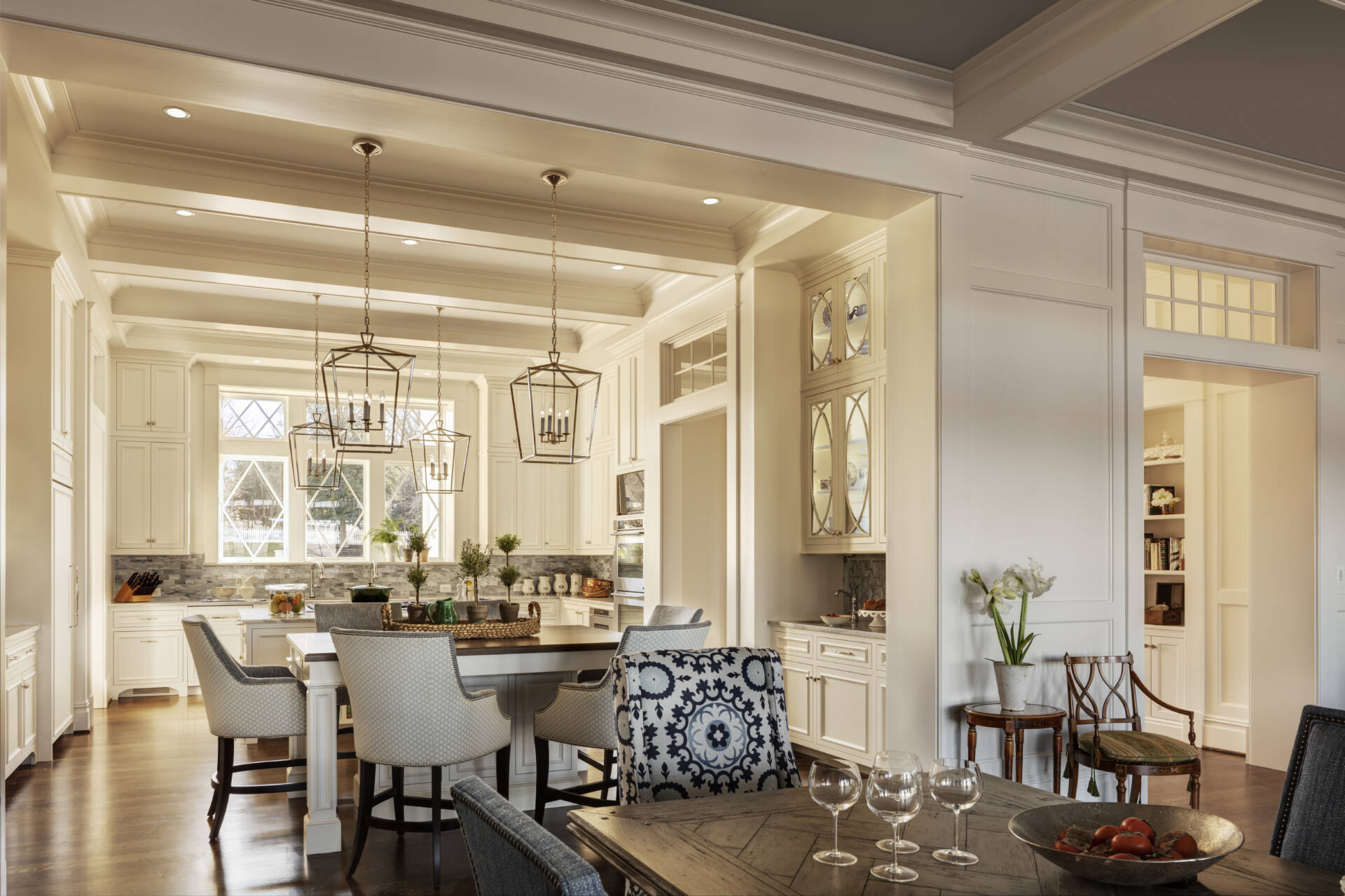
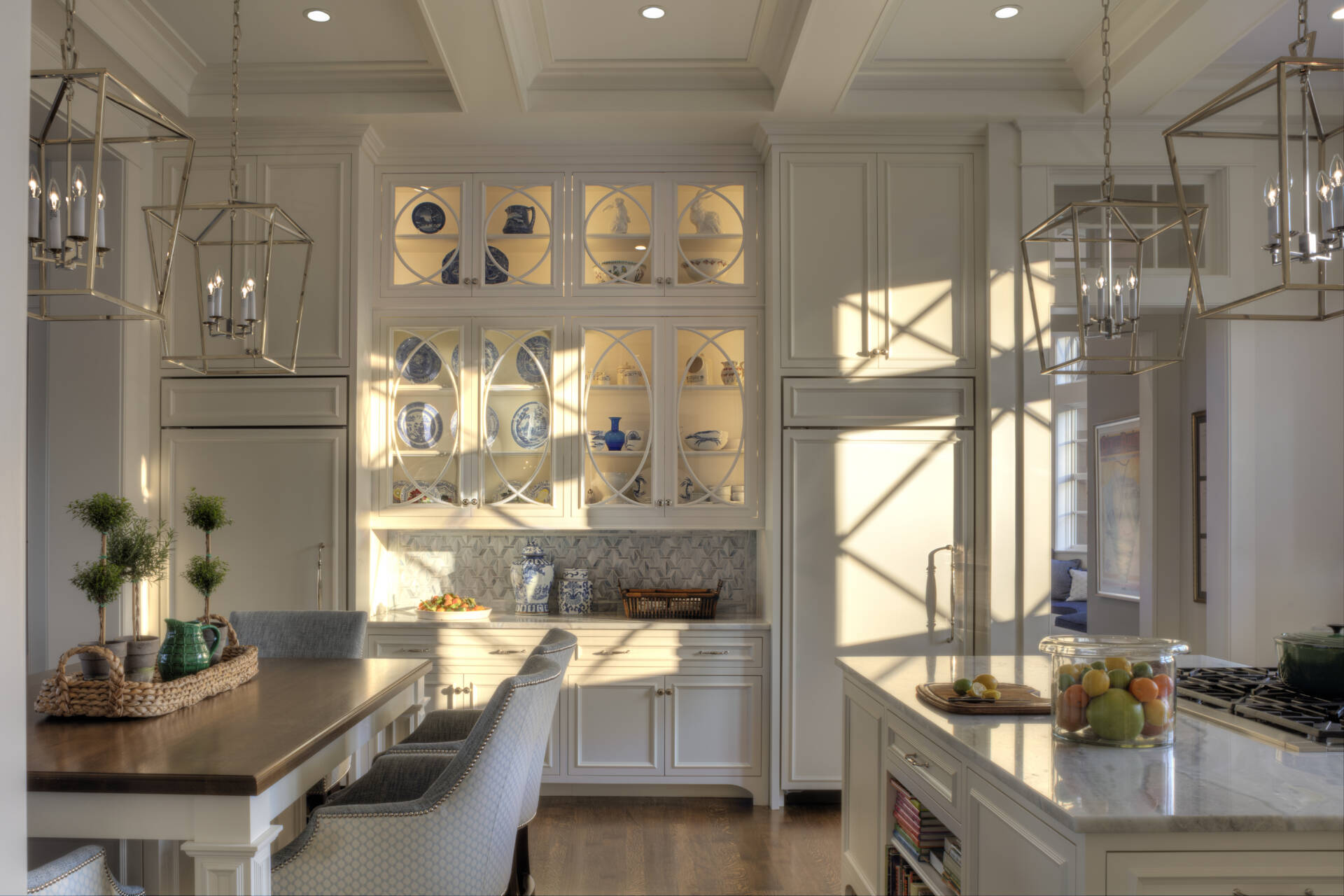
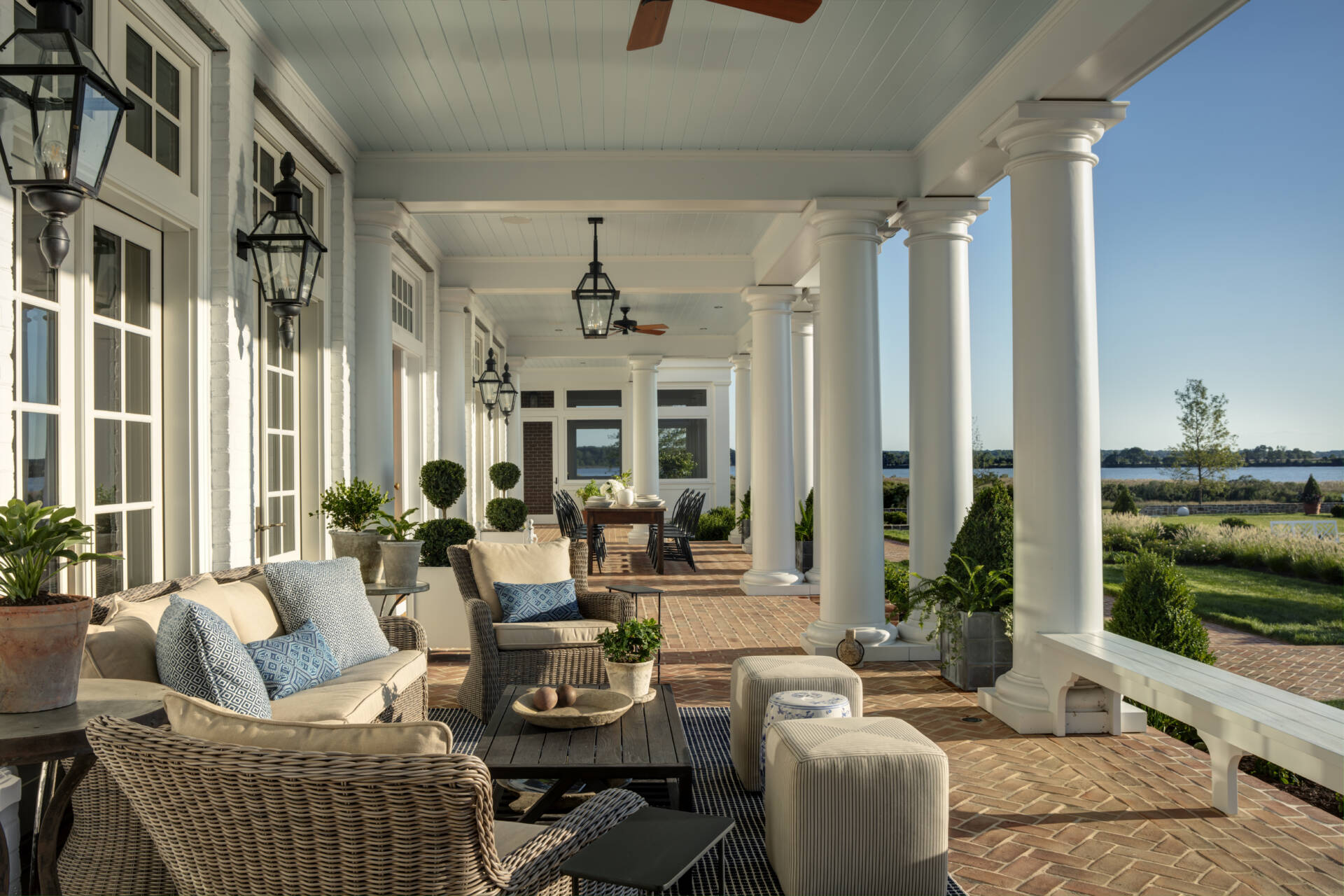
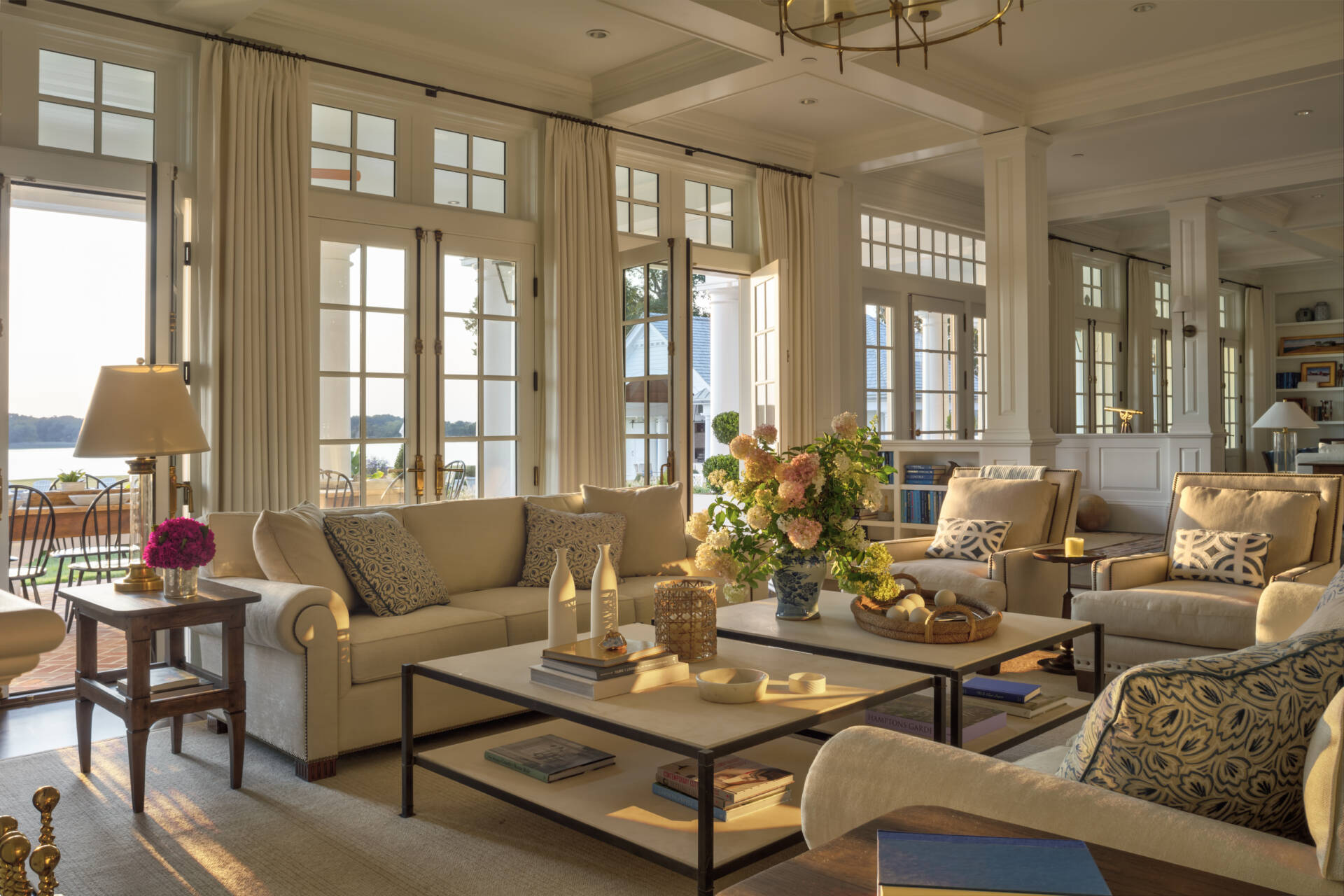
Creating a Hierarchy: Not every room needs to compete for the same view. In fact, some of the most successful homes prioritize key spaces—like the kitchen, great room, and primary suite—while allowing secondary spaces to serve different, but equally important, roles.
Managing Light and Comfort: With great views often come challenges—glare, heat, and privacy among them. Thoughtful design solutions like overhangs, shading devices, and strategic orientation ensure that a home is not only beautiful, but comfortable throughout the day and across seasons. For example, observe how the sun moves across the sky throughout the day. Morning light streaming into an east-facing bedroom might be just the thing for an early riser, while an owner who likes to sleep late might prefer a dark, secluded bedroom on the west side and a light-filled kitchen on the east. Owners inspired by the gorgeous pinks and oranges of sunset views will appreciate outdoor living spaces such as decks or porches facing west.
Designing the Journey: One of my favorite design strategies is to create a sense of arrival. That can be achieved in a number of ways. Designs can reveal the view immediately upon entry, or it can guide you through a sequence of spaces—creating more privacy and building anticipation before opening up to something truly special. The moment of discovery can be incredibly powerful.
Extending Living Outdoors: In many of our projects, the outdoor spaces are just as important as the interiors. Loggias, terraces, and outdoor rooms become natural extensions of the home, allowing our clients to fully immerse themselves in the landscape.
Navigating Complexity with Creativity: View-oriented properties, particularly in coastal regions, often come with a unique set of challenges—zoning regulations, environmental considerations, and complex topography. These constraints can feel limiting, but I’ve always seen them as opportunities for creativity. With the right approach, they can lead to solutions that are not only compliant, but more thoughtful and refined.
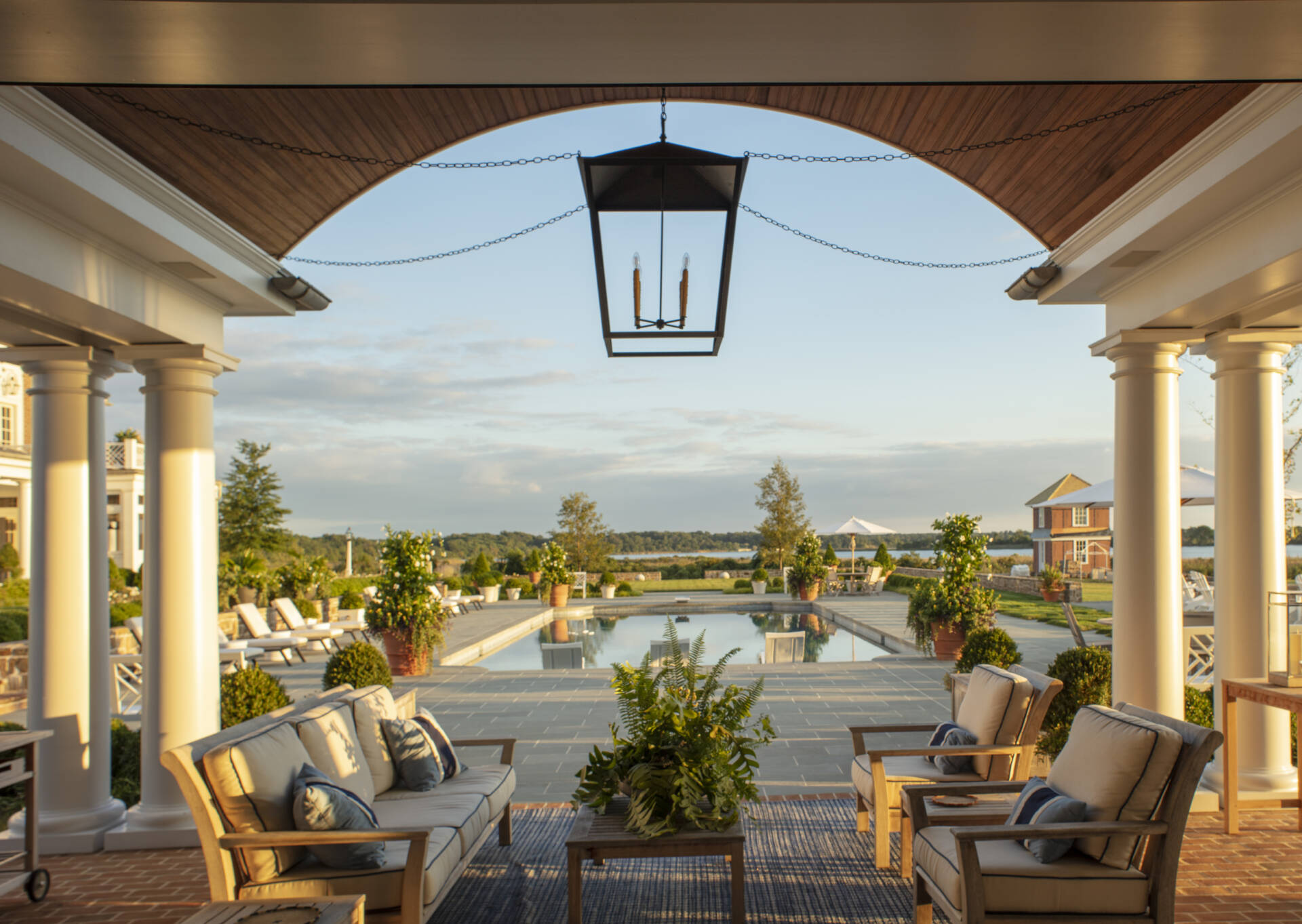
Considering Pool Placement: If a swimming pool is desired, its placement also affects the view from the home. A pool sitting directly behind a home becomes a primary visual element. In the summer, this can be desirable as the sparkling water accents the landscape design and entices people to come outside and lounge poolside. This suits those who want to see the pool from the interior when entertaining or to monitor the activity in the pool. In the winter, however, a covered pool lacks the same charm, so some clients prefer to locate the pool in a less prominent location and give the area in the foreground of the view to beautiful gardens or terraces.
A Personal Invitation
For me, architecture has always been about more than designing structures, it is about shaping experiences. In a place as naturally beautiful as Fairfield County, that responsibility feels even more meaningful.
With our growing presence in the Northeast—including our SoHo office in New York City—we are deeply invested in this region and the clients we serve here. At Purple Cherry Architecture & Interiors, we see ourselves as partners in that journey. Whether we’re working on a waterfront property or an inland retreat, our goal is always the same: to create a home that feels deeply connected—to the land, to the view, and most importantly, to the people who call it home.
Purple Cherry Architecture & Interiors
70 Spring Street, #2R, New York, NY, 10012 / 332-255-2155
One Melvin Avenue, Annapolis, MD 21401 / 410-990-1700
701 Water Street E, Charlottesville, VA 22902 / 434-245-2211
11 East Washington Street, Middleburg, VA 20117 / 540-687-4646
1326 G Street SE, Washington, DC 20003 / 202-596-5216
For Inquiries: info@purplecherry.com