

By Cathy Purple Cherry, AIA LEED AP
As a custom residential architect, I am often asked what makes a home truly successful. Is it the architecture? The interior design? The quality of the materials? The way the house sits on the property? After more than four decades of designing homes for families, I would argue that the answer is found in something less tangible: how well the home continues to serve its owners as their lives change.
When a family is making a significant investment in a home, it is natural to focus on the immediate questions. How many bedrooms do we need? Where should the kitchen go? How large should the entertaining spaces be? Where will the children do their homework? What should the primary suite include?
Those questions are important. But I also encourage clients to consider another question that is much harder to answer: How do you envision living here 10, 20 or even 30 years from now? That is the beginning of what I think of as a forever home.
A forever home is not necessarily a home that will remain unchanged for the rest of your life. In fact, I believe the opposite is true. The best homes are designed with enough flexibility to evolve with the people who live in them.
Design for Possibility
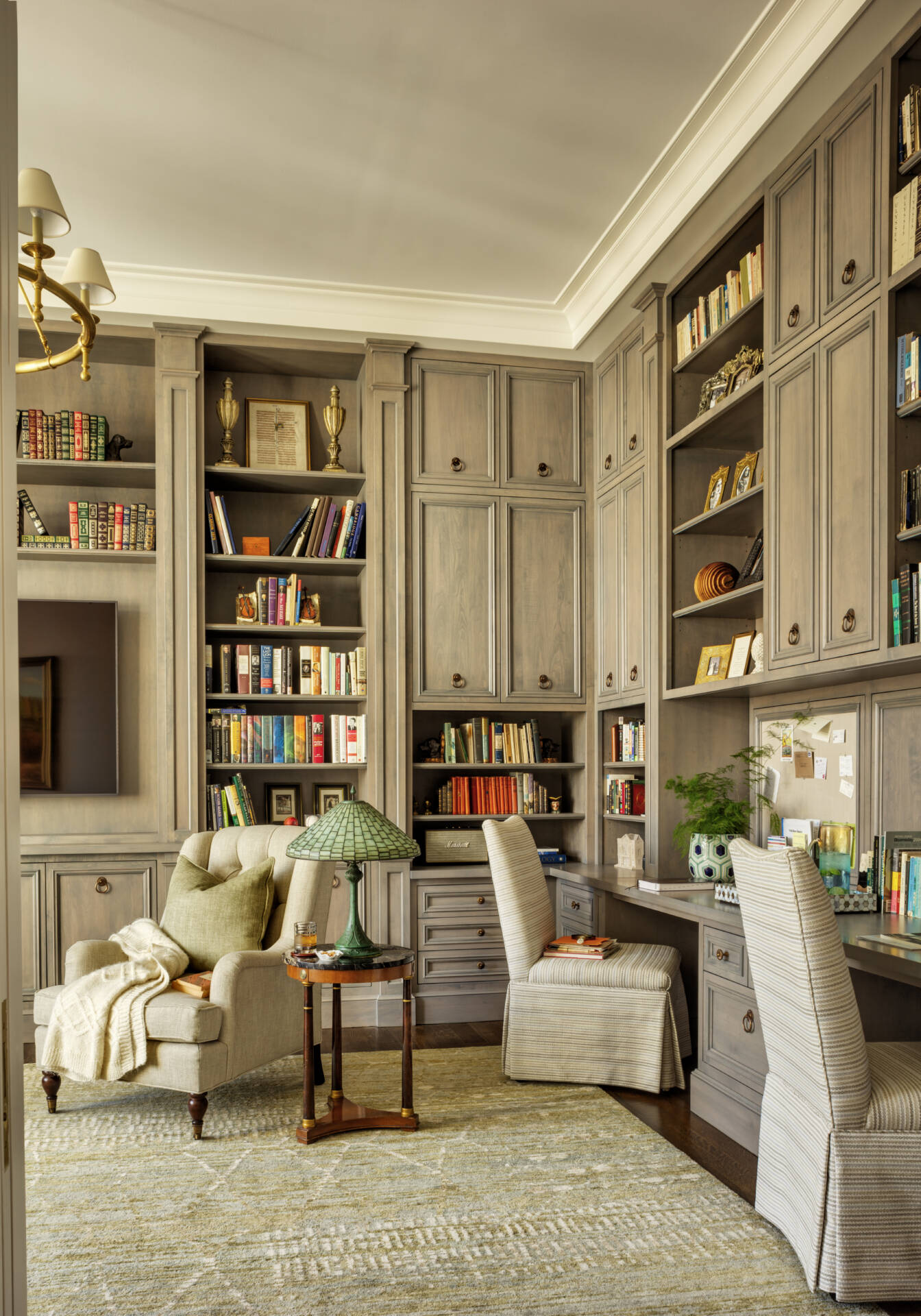
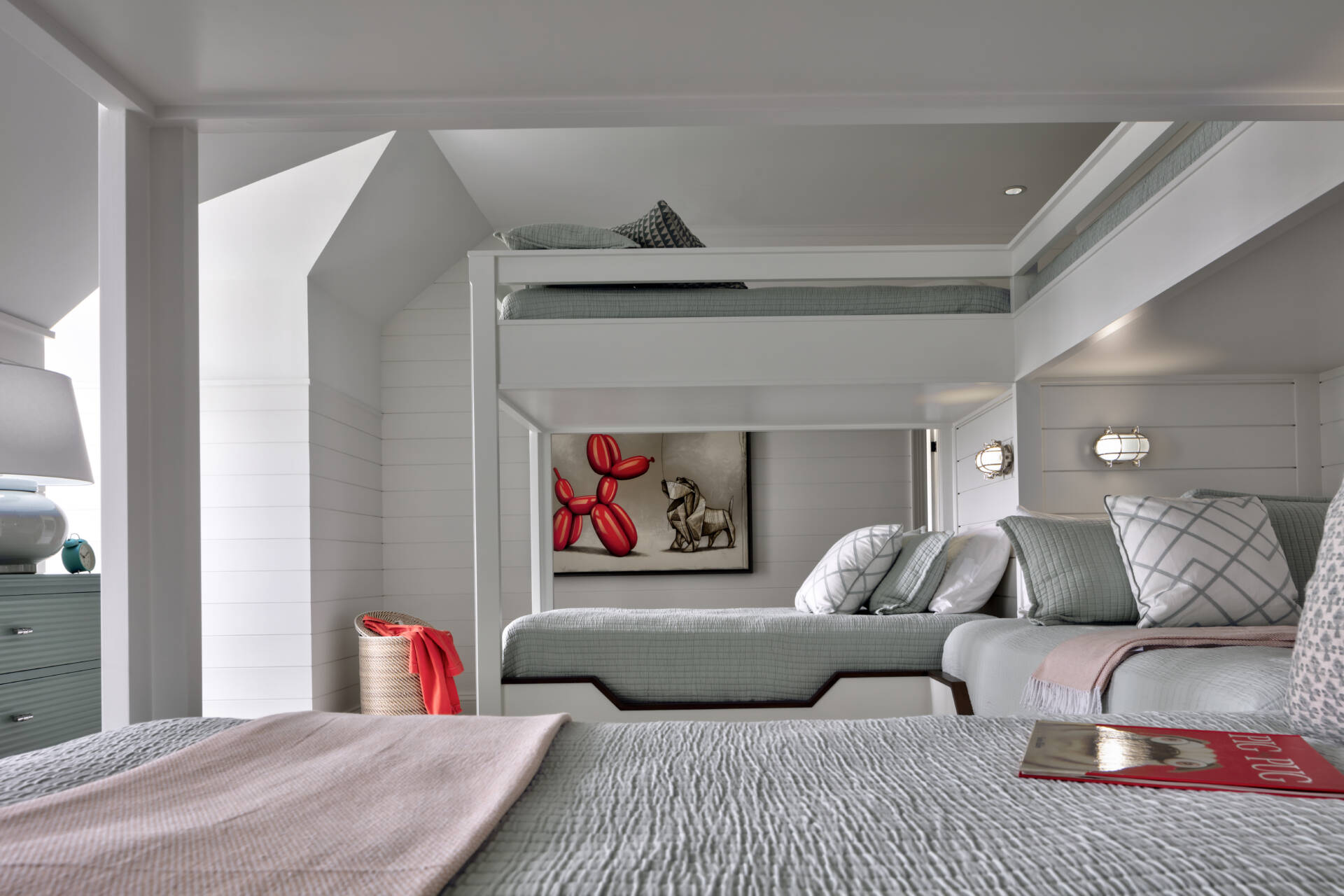
Families change. Children grow up and leave home. They return with partners and, eventually, their own children. Parents may move closer, or even into the home. A guest room may become an office, a playroom may become a library, and a space originally intended for work may eventually become a place to relax.
The challenge for an architect is not to predict exactly what will happen. None of us can do that. Instead, we can design a home that preserves options.
That might mean creating a first floor guest suite that can be used as the primary suite in the future. It could mean designing a room so that it can easily serve several purposes over time. Or it may mean roughing in the space above the garage for a future caregiver’s suite.
These decisions are often made long before they are needed. That is precisely the point. Good planning preserves choices.
Look Beyond the Floor Plan
When we talk about designing for the future, the conversation can quickly become focused on accessibility. But I don’t think a home should feel as though it was designed for some hypothetical future version of its occupants.
Many thoughtful decisions that make a home easier to live in later also make it better today.
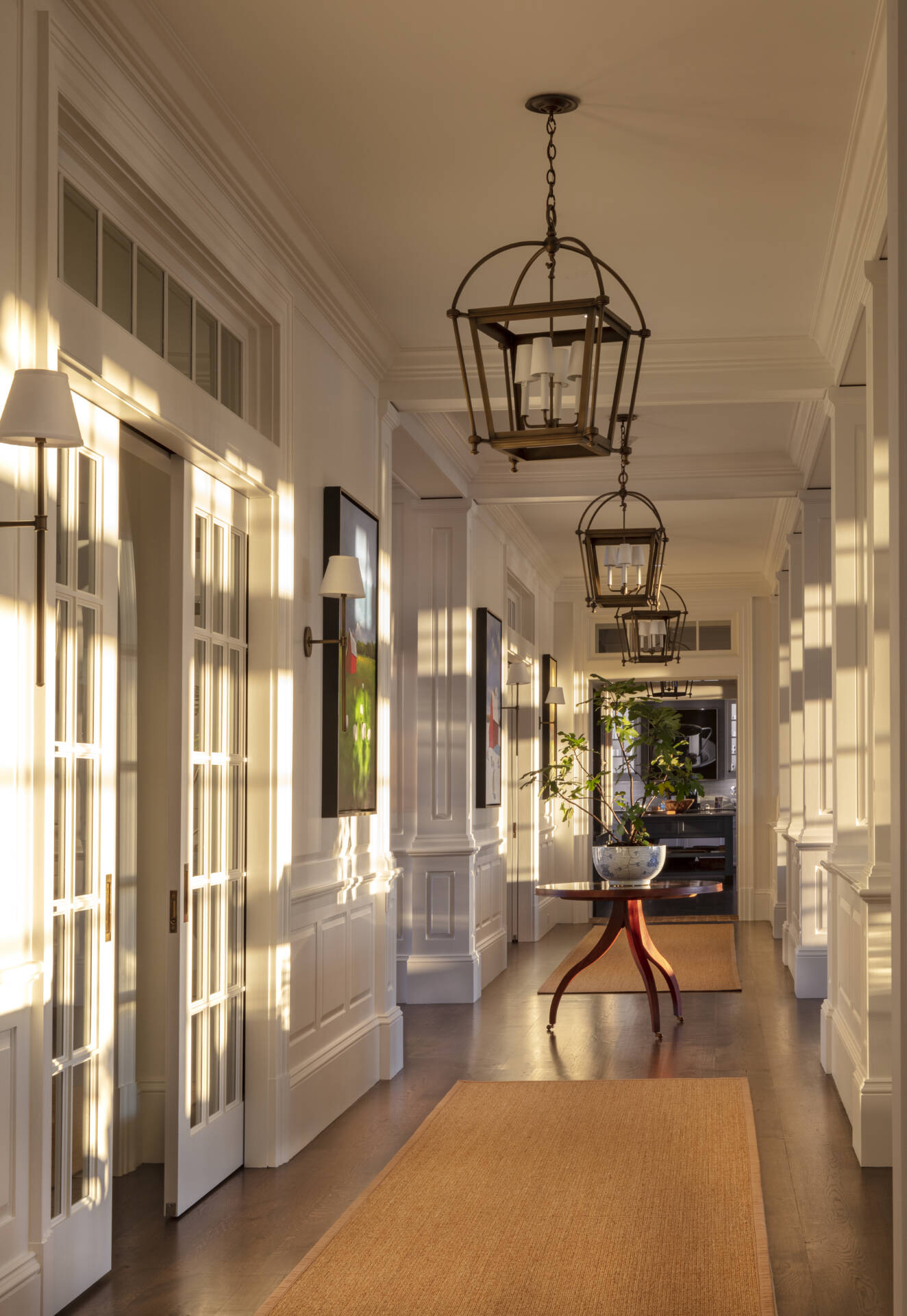
Generous circulation, comfortable stair proportions, thoughtful lighting, conveniently located storage, well-planned bathrooms and minimal changes in floor elevation are beneficial regardless of age. A well-designed shower can be beautiful while also being easier to use. A primary suite on the main level can provide convenience today and flexibility tomorrow.
The same principle applies to technology. Rather than trying to predict which devices we will be using 15 years from now, it is often more valuable to think about the infrastructure that will support whatever comes next. Electrical capacity, technology pathways, lighting controls, charging capabilities and mechanical systems can all be considered as part of the larger architectural plan.
The goal is to establish infrastructure that can accommodate future needs while giving the homeowners flexibility as technology and lifestyles evolve.
Consider the Entire Property
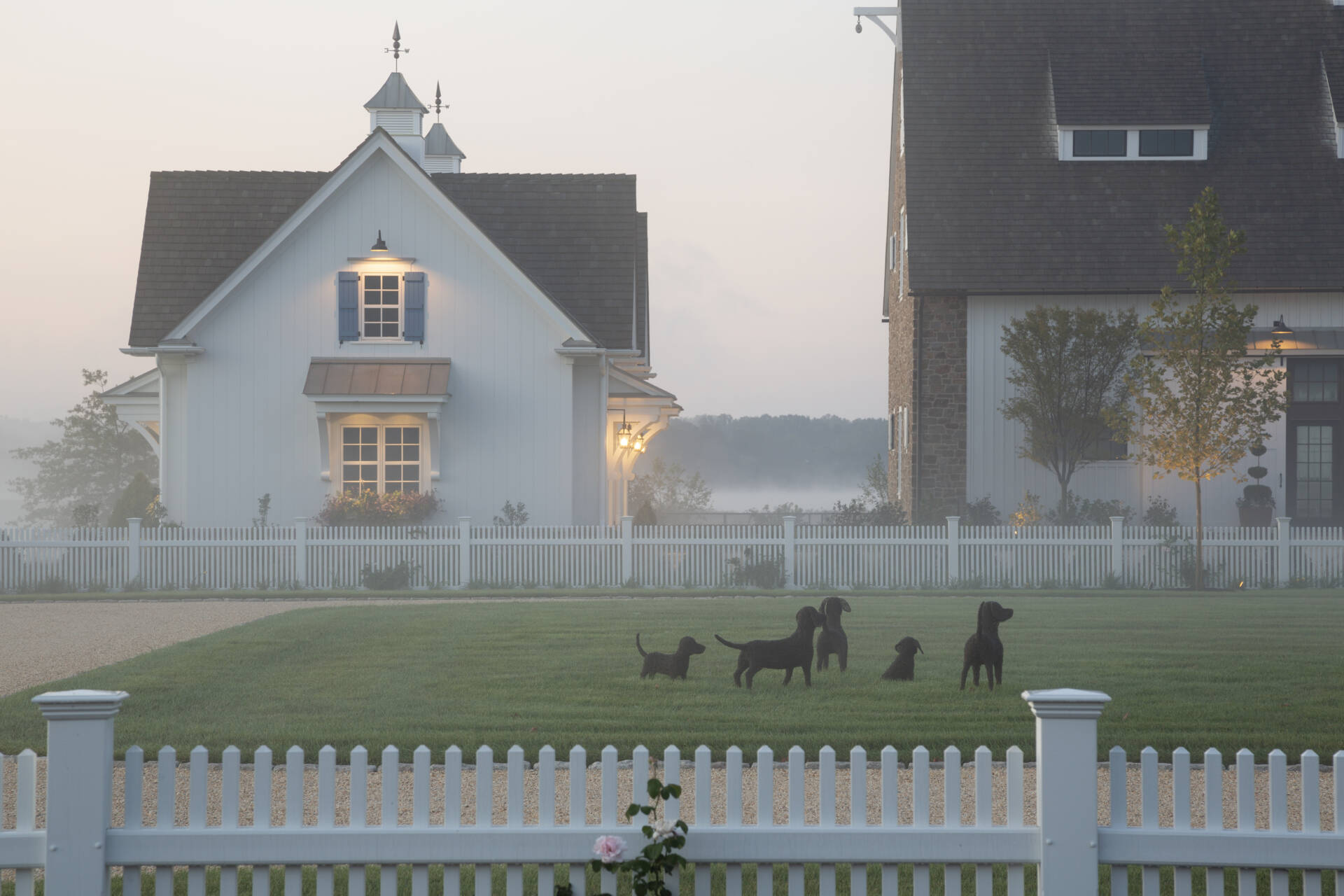
A forever home also extends beyond the walls of the house. For many families, a property is a long-term investment in a particular place. The outbuildings, landscape, pool, terraces, guest accommodations, gardens and outdoor entertaining areas all become part of the way the family experiences the property.
That makes the site planning just as important as the floor plan. Where does the house sit in relation to the sun? How do people arrive? Where do guests enter? How do household deliveries, maintenance and other behind-the-scenes activities move through the property without disrupting the family’s daily life? Are there places for privacy and places for gathering? Could the landscape evolve over time? Is there room for additional structures if the family’s needs change?
These aren’t necessarily questions that need immediate answers. But they should be part of the conversation before decisions become difficult—or expensive—to change.
Think About the Invisible Parts of Luxury
One of the things I have learned through years of residential design is that some of the most important elements of a home are the ones you never notice.
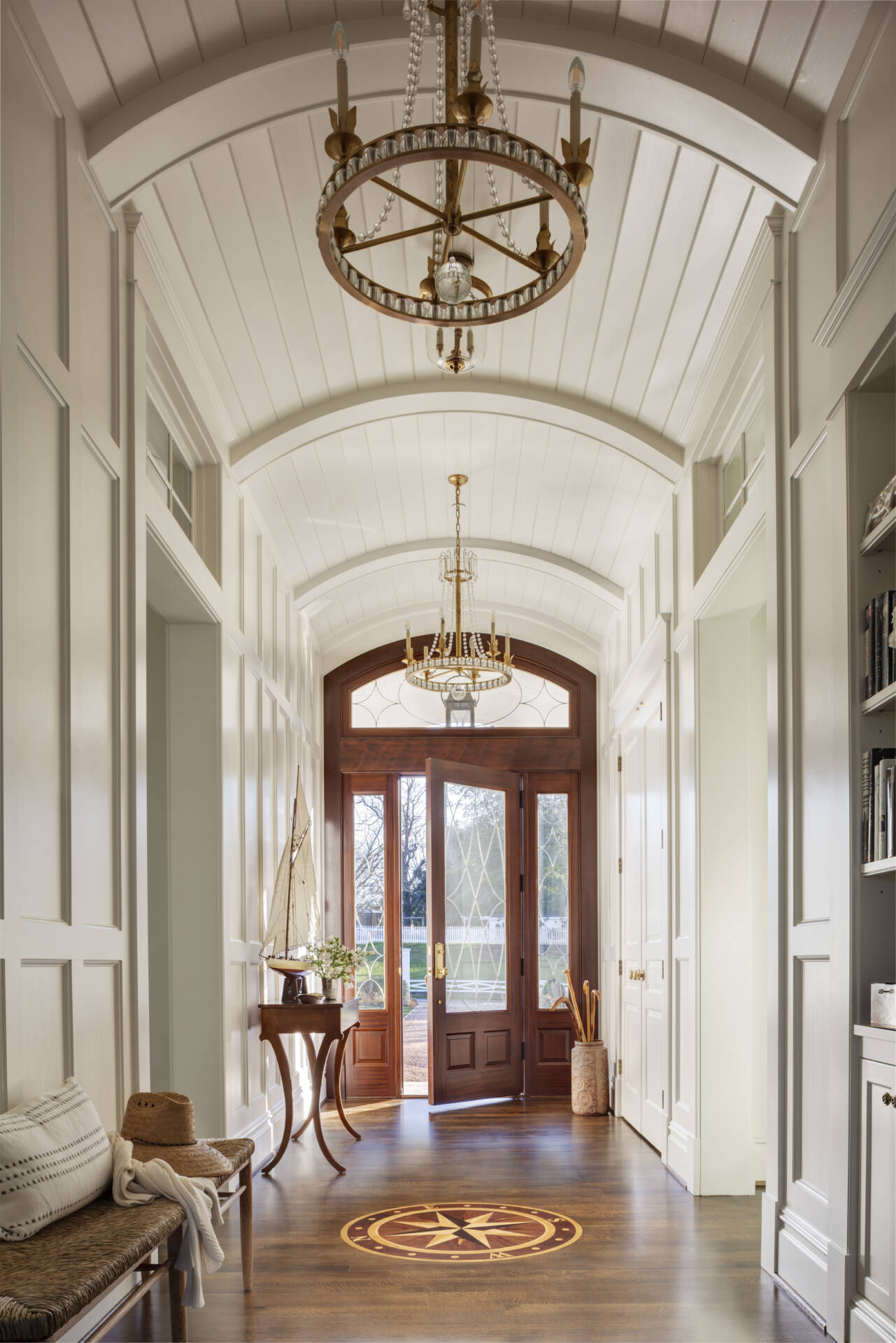
A well-designed home makes daily life feel intuitive. There is a logical place for everything. The family can move through the house without crossing paths with deliveries or household operations. Guests can feel welcomed without being brought through private areas.


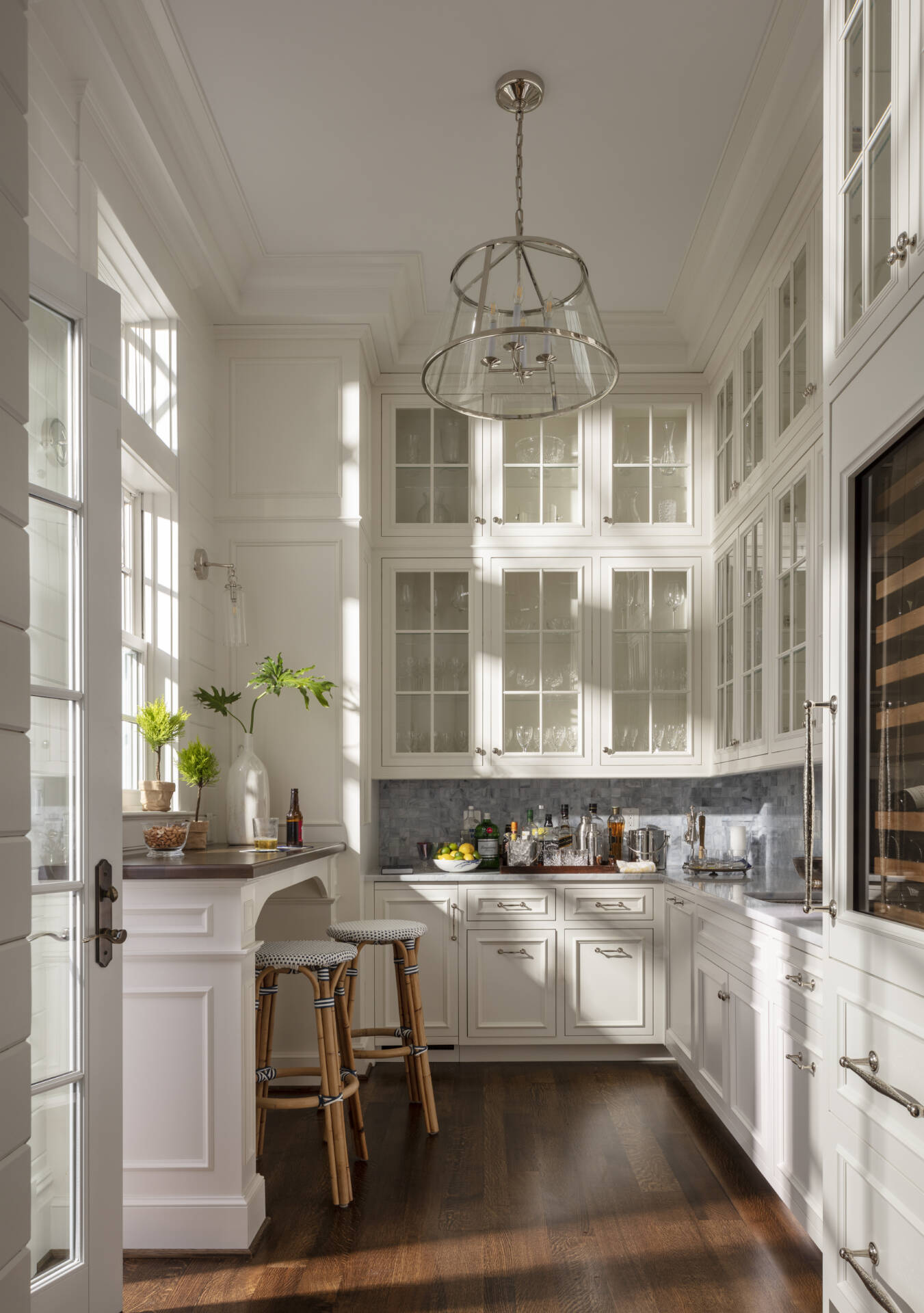
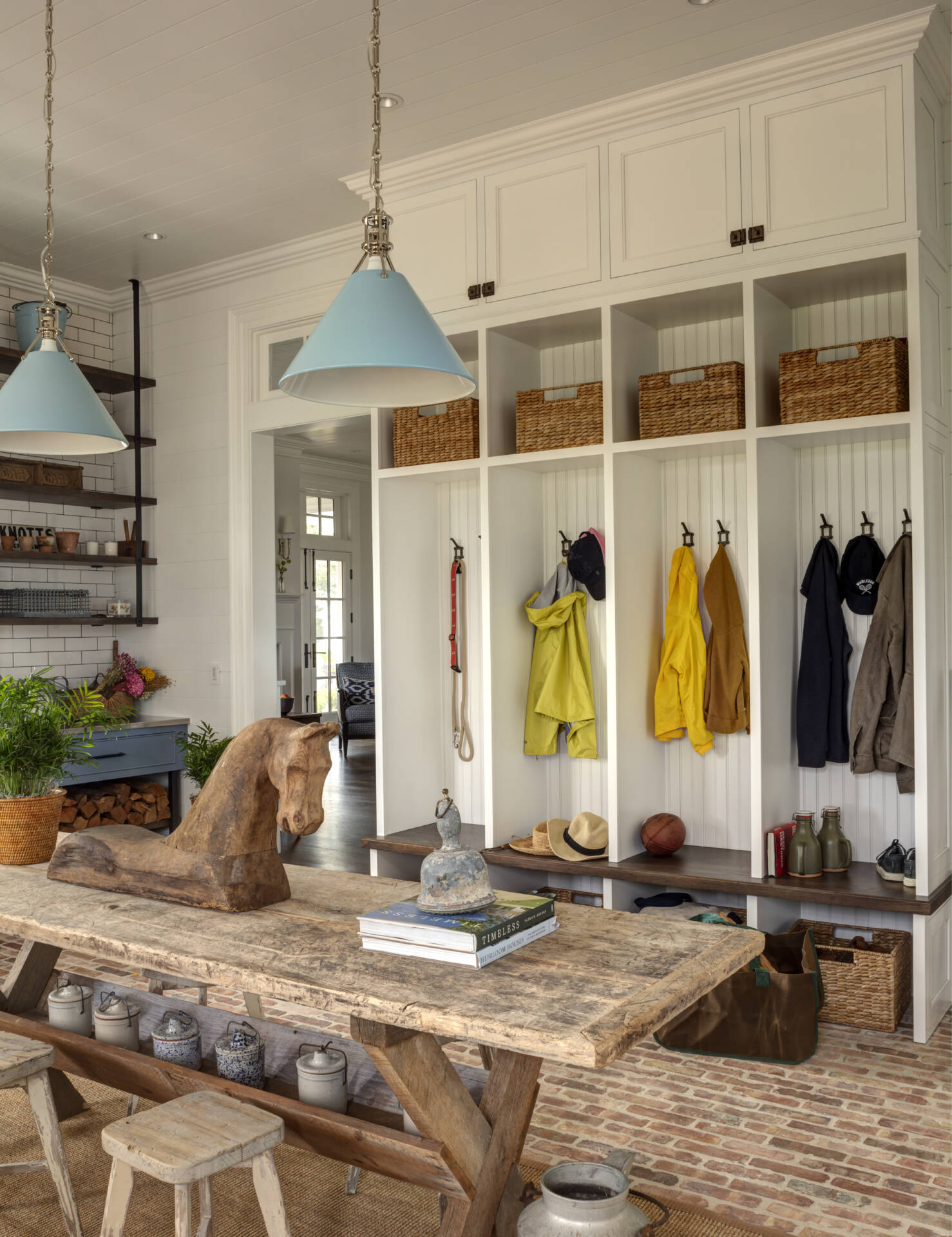
Mechanical systems can be maintained without disrupting the home. Storage is where it needs to be. Lighting is appropriate to the way each space is used.
These details may not appear in a photograph of the finished house, but they have an enormous impact on how the home functions.
For families who intend to remain in a property for many years—or who view a residence as something that may eventually be shared across generations—these operational considerations become particularly important. A beautiful house that is difficult to maintain, difficult to adapt to, or difficult to operate isn’t necessarily a successful long-term home.
Invest in What Endures
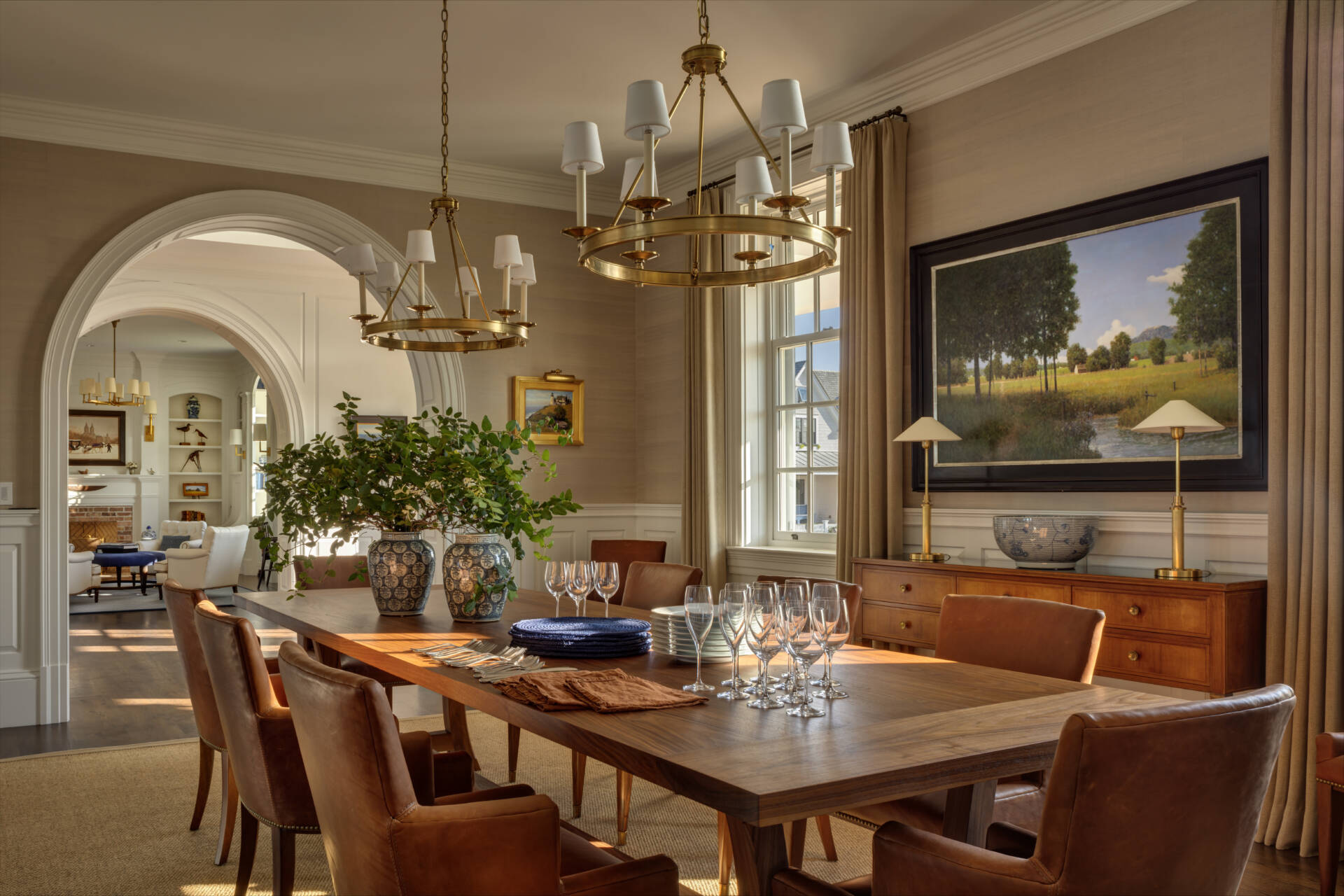
The same long-term thinking applies to materials and interiors. A forever home doesn’t have to be traditional, and it certainly doesn’t have to be devoid of personality. But there is value in distinguishing between elements that are inherently architectural and those that can easily evolve.
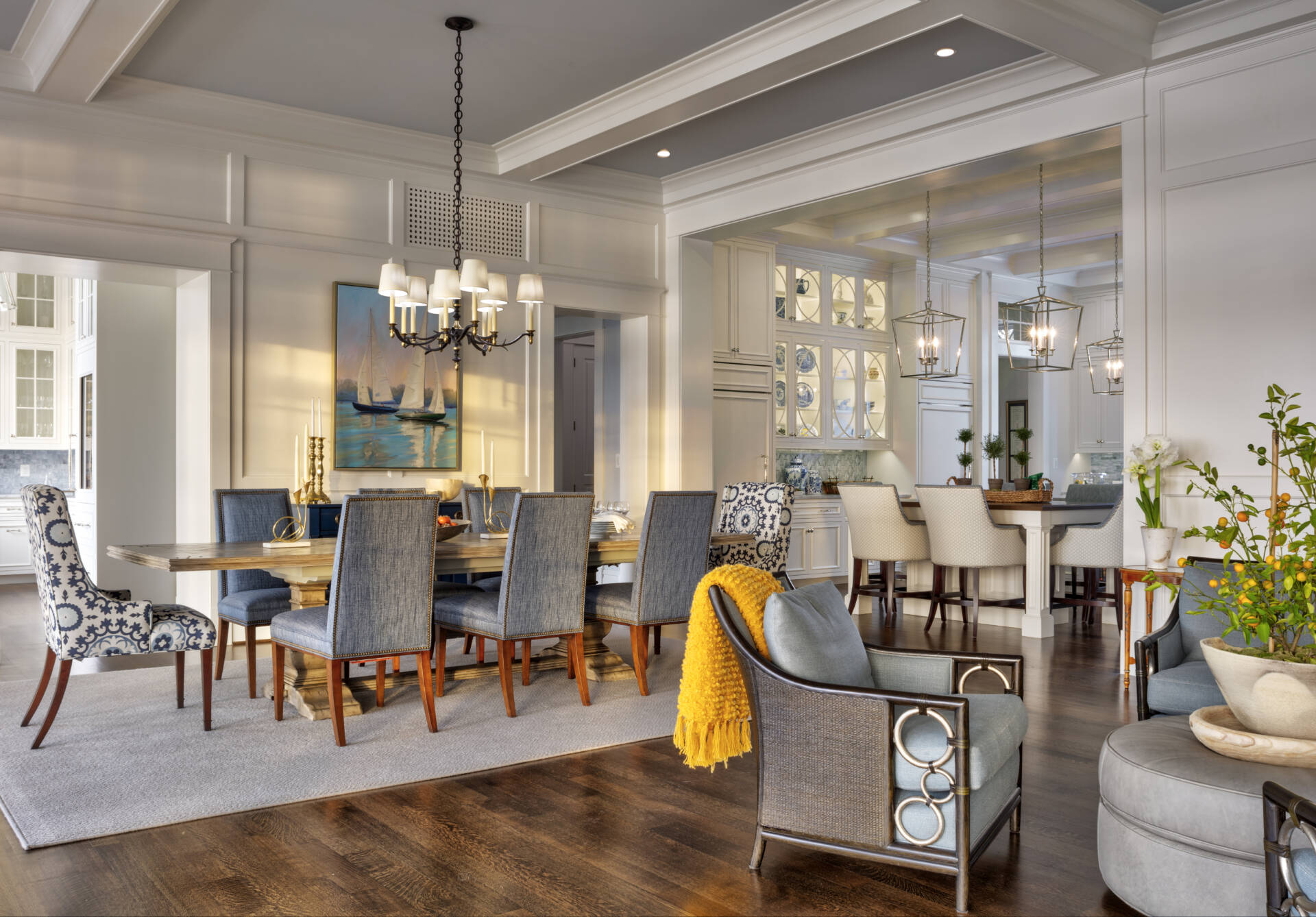
Natural stone, quality millwork, well-crafted hardware, durable flooring and thoughtfully designed cabinetry can provide a foundation that lasts. Furnishings, fabric, accessories, artwork and paint can then change as tastes and circumstances evolve.
When a home is expected to serve a family for decades or longer, timelessness becomes less about style and more about quality, proportion and adaptability.
Take the Long View
Ultimately, designing a forever home requires thinking several steps ahead while accepting that the future will bring changes no one can fully predict. It also requires asking better questions at the beginning.
Who will use this home? How might that change? What needs to remain flexible? Which decisions will be difficult to revisit later? How should the property function when the house is full—and when it is nearly empty?
The answers will be different for every family. Some homeowners will want a house that can accommodate generations gathered around the same table. Others may want a private retreat designed to become quieter and more intimate over time. Some may envision a property that will eventually be shared with children and grandchildren.
There is no single definition of a forever home. But after decades of designing homes, I believe the most successful ones have something in common: they are designed for the life their owners have today while leaving room for the life that comes next.
That, to me, is the real luxury of thoughtful architecture—not simply creating a beautiful home, but creating one with the capacity to remain meaningful, functional and deeply personal for generations to come.
Purple Cherry Architecture & Interiors
70 Spring Street, #2R, New York, NY, 10012 / 332-255-2155
One Melvin Avenue, Annapolis, MD 21401 / 410-990-1700
701 Water Street E, Charlottesville, VA 22902 / 434-245-2211
11 East Washington Street, Middleburg, VA 20117 / 540-687-4646
1326 G Street SE, Washington, DC 20003 / 202-596-5216
For Inquiries: info@purplecherry.com