
I recently listed a lovely home just under $2.5MM, and the process reminded me of something every Greenwich buyer should know before they start looking.
Your buyer’s agent matters. A lot.
As the listing agent, I watched at least a dozen potential buyers walk through that house, each one accompanied by an agent they’d essentially met by clicking a photo on an aggregator site like Zillow or Realtor.com. Here’s the trap: that click never reaches the listing agent (me). It routes to whoever paid the portal for that lead: often someone with no connection to the property, no relationship with the seller, and often no footprint in Greenwich at all. The buyer thinks they’re being connected to the house, but they’re being sold to whoever bid highest for their attention. That stranger might ultimately become their fiduciary for the single most consequential financial decision of their lives. Don’t you think you should know a little more about them than that they pay for internet leads?
What struck me, watching from the listing side and legally unable to weigh in as I have my own fiduciary responsibility to my seller, was how fast the knowledge gap showed up.
Basic questions regarding property taxes, septic systems, school districts, the pros and cons of the specific location, etc. went unanswered. Some agents didn’t even know which questions to ask.
To be clear, this is not a knock on being new, either; every agent has a first deal and many have educated themselves and stayed within their geographic area of expertise. The problem is stretching your representation past what you actually know and calling it expertise anyway.
What “Local” Actually Means
“Local expert” is one of the most overused phrases in real estate. Naming neighborhoods or schools isn’t exactly insightful; you can Google that yourself.
Real local knowledge is understanding how Greenwich homes actually work: public water versus private wells, sewer versus septic, wetlands, flood zones, private roads, shared driveways, easements, setbacks, FAR (what does FAR stand for?) limits, restrictive easements buried under three generations of ownership…two houses less than a mile apart can require entirely different questions.
Take septic. You’re touring a home and already picturing an office turned bedroom, or a future addition. Someone who knows Greenwich is asking a different question first: what is the septic system actually designed to support, and where does that leave your plans?
Land works the same way. A gorgeous backyard looks pool ready until wetlands, setbacks, or septic reserve areas enter the picture. None of that makes the property bad; it just means you should understand what you’re buying before you build a fantasy on top of it.
Taxes deserve the same scrutiny. A tax bill isn’t a number for a mortgage calculator; assessments, mill rates, and revaluations all need context, something even longtime homeowners here get wrong. (If people who’ve lived in a house for twenty years are still confused by their own assessment, what odds would you give an agent who Googled “Greenwich” yesterday?)
None of this disqualifies a property. It’s the argument for having someone next to you who knows what to look for.
The Questions You Don’t Know to Ask
Most buyers are excellent at judging what they can see: the kitchen, the condition of the roof, the commute, where the couch goes. A good agent’s job starts where that stops:
- What work was done and was it done under proper permits?
- If there’s a finished lower level, how is it reflected in the records?
- What size home can the septic system support? Is that determined by the number of bedrooms or the number of bathrooms?
- Is there an easement limiting use of part of the lot, or granting others unfettered access?
- Are there wetlands, and what do they mean practically?
- Is this normal for a house of this age, or do we need a specialist’s opinion?
A good buyer’s agent doesn’t need to be a septic engineer, land-use attorney, or architect. They need to know precisely when to call one, and already have that person’s number on speed dial.


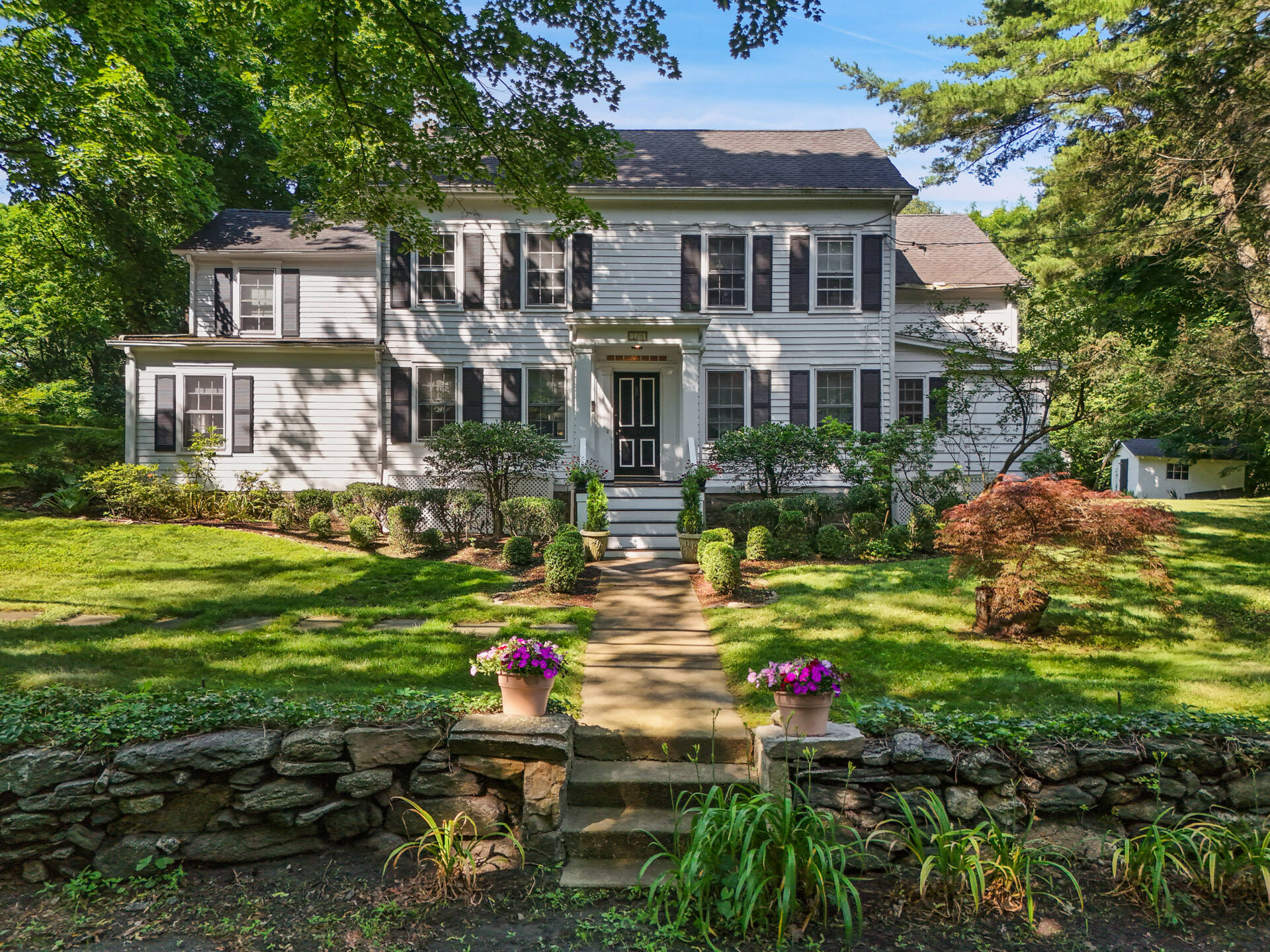


Every buyer who toured that listing saw the same square footage, the same photos, the same price. However, they did not have the same understanding of what they were seeing. A buyer with a Greenwich-savvy agent starts evaluating the property mid-showing. A buyer whose agent is learning the market alongside them starts from behind, not because anyone should rush, but because real knowledge lets you move fast without being reckless. In a competitive market, that’s often the whole game.
Your Agent Is Part of Your Offer
Buyers fixate on the number. Sellers and their agents look at the whole picture: lender, contingencies, timing, financing credibility, and yes, who’s representing the buyer.
I watch the agent on the other side because it tells me whether a deal survives from accepted offer to closing table. Has this buyer been prepared? Will inspection issues get put into context or turned into a crisis? Will problems get solved, or created?
Reputation alone doesn’t turn a weak offer into a strong one. But when a seller has multiple solid offers, certainty has real value, and the highest number isn’t automatically the best offer if there’s doubt the buyer actually gets to the closing table.
It’s also worth saying: “knows Connecticut,” or even “knows Fairfield County,” isn’t the same as knowing Greenwich, which is really several markets stitched together. Downtown condos, Old Greenwich waterfront, Riverside, mid-country acreage, backcountry estates with wells and private roads: different questions, different housing stock, different everything.
The Internet Changed the Search, Not the Advisor
Buyers today have more raw information than any generation before: listings, tax records, comps, satellite imagery, all before they’ve called an agent. Genuinely great. But it’s blurred what a buyer’s agent is actually for.
You don’t need me to confirm four bedrooms. (You have eyes, and a listing photo.) You need someone to tell you whether it’s the right four-bedroom house: what it’s really worth in this micro-market, what resells well, which compromises are cosmetic and which are costly, and where your leverage actually sits.
Plenty of buyers start with an agent they already know from another market, or another deal. Fair enough, but trust and expertise aren’t interchangeable. Ask any prospective agent how much business they actually do in Greenwich, how they approach septic or wetlands or renovation potential, and who they call when something’s outside their lane.
Then notice what they ask you. A real consultation goes well past price range and bedroom count:
- How do you actually live?
- What are you trying to change about your current lifestyle?
- Do you plan to renovate?
- How long do you imagine owning this home?
- What matters more, proximity or privacy?
- Which compromises can you live with, and which ones will bother you every single day?
That listing was a reminder that bad representation rarely announces itself with a dramatic inspection surprise. More often the cost is invisible: the property you passed on because no one could explain it fast enough, the offer structured wrong, the leverage you never knew you had, the house you lost while your agent was still learning the market your competition already knew cold.
(For the record: the seller accepted the offer from the buyer whose agent actually knew what they were looking at.)
A license lets someone participate in a transaction. It doesn’t hand them judgment or the ability to see around corners; that’s earned one property at a time. When it’s your money and your home on the line, that difference is everything. It is easy to fall in love with a charming colonial or the sleek contemporary of your dreams, and so tempting to quickly “click” and set up an immediate showing. Taking the extra time to search the algorithm-suggested agent and take a quick look at their home office address and personal transaction history is worth the extra 5 minutes. Trust me.
Impulse bang-cutters spend about six months growing out their regret; remorse over losing the house of your dreams lasts far longer.